Email:
info@leachechem.com
Sodium Dichloroisocyanurate (SDIC) isn't some lab creation disconnected from the real world. I've spent years watching it work – disinfecting water on remote construction sites where potable water is a luxury, sanitizing equipment after flood damage, even helping control algae blooms in cooling towers. It’s a workhorse chemical, and as a Sodium Dichloroisocyanurate exporter, we're focused on getting this reliable disinfectant into the hands of those who need it most. It's not just about selling a product; it’s about providing a critical piece of infrastructure for public health and operational safety.
The demand for effective, stable disinfectants is only increasing globally. From expanding infrastructure projects in developing nations to stricter hygiene standards in developed countries, the need for SDIC is constant. We see a lot of interest from both large-scale industrial clients needing water treatment solutions and smaller organizations dealing with localized sanitation challenges. Being a reliable Sodium Dichloroisocyanurate exporter means understanding both sides of that equation and tailoring solutions accordingly.
Frankly, SDIC’s versatility is what makes it so valuable. It’s not just for water purification. You see it in livestock farming, food processing, swimming pool maintenance...the list goes on. That's why a stable supply chain and consistent quality, something we prioritize as a Sodium Dichloroisocyanurate exporter, are absolutely critical. People rely on this stuff, and it has to perform every single time.
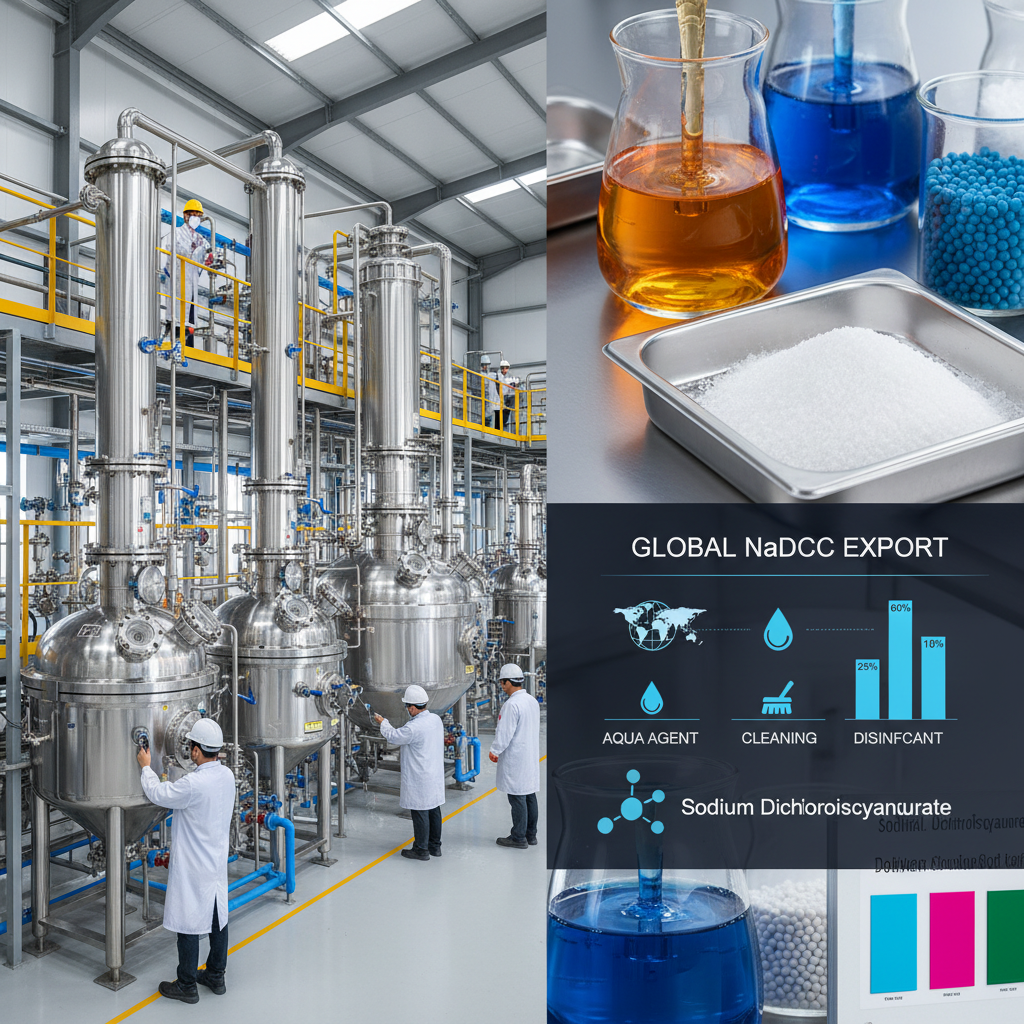
You don't realize how critical clean water and sanitation are until you’re on a remote site with limited resources. SDIC provides a relatively simple, cost-effective solution for disinfection, which is why a reliable Sodium Dichloroisocyanurate exporter is so important. It’s about more than just meeting regulatory standards; it’s about safeguarding workers and communities.
The global market for disinfectants is massive and growing, with SDIC playing a significant role. As a dedicated Sodium Dichloroisocyanurate exporter, we see the increasing demand firsthand, particularly in regions facing water scarcity and public health challenges.
Typically, SDIC has a shelf life of at least two years when stored properly in a cool, dry, and well-ventilated environment, away from direct sunlight and moisture. However, it's crucial to check the manufacturer's specifications on the packaging as this can vary. As a Sodium Dichloroisocyanurate exporter, we provide clear expiration dates and storage guidelines to our clients. Regular testing after the expiration date is recommended to ensure efficacy, but generally, it's best to use it before it expires.
High temperatures accelerate the decomposition of SDIC, reducing its available chlorine content over time. This means it loses its effectiveness as a disinfectant. Storage temperatures above 30°C (86°F) should be avoided. We, as a responsible Sodium Dichloroisocyanurate exporter, ensure our shipments are temperature-controlled where necessary, especially during transit to hotter climates. Proper warehousing and handling are also vital.
SDIC is a strong oxidizing agent and should be handled with care. Always wear appropriate personal protective equipment (PPE), including gloves, safety glasses, and a dust mask. Avoid contact with skin and eyes. Never mix SDIC with other chemicals, especially ammonia or acids, as this can create dangerous gases. As a Sodium Dichloroisocyanurate exporter, we provide detailed safety data sheets (SDS) with every shipment outlining all necessary precautions.
The correct dosage of SDIC for water disinfection depends on several factors, including the water’s initial contamination level, pH, temperature, and contact time. A general guideline is 1-3 ppm (parts per million) of available chlorine, but it’s crucial to test the water before and after treatment to ensure adequate disinfection. We, as your Sodium Dichloroisocyanurate exporter, can provide technical support and guidance on proper dosage rates for specific applications.
While SDIC itself isn't inherently “green”, it’s a relatively environmentally responsible disinfectant when used correctly. It breaks down into harmless byproducts in water. However, it's important to avoid overuse and ensure proper disposal of any unused product or packaging. We, as a conscientious Sodium Dichloroisocyanurate exporter, promote responsible handling and disposal practices to minimize environmental impact.
We hold ISO 9001 certification for quality management, demonstrating our commitment to consistent product quality and customer satisfaction. We also comply with all relevant international regulations for the export of chemicals, including REACH and CLP. Being a certified Sodium Dichloroisocyanurate exporter is essential for ensuring our products meet global standards and can be safely used worldwide. We are happy to provide documentation of these certifications upon request.
SDIC remains a vital disinfectant, offering a blend of effectiveness, stability, and cost-efficiency. From providing safe drinking water in emergencies to maintaining hygiene in critical industrial processes, its applications are far-reaching and its impact is significant. A trustworthy Sodium Dichloroisocyanurate exporter doesn’t just supply a chemical; they provide a critical component for public health and operational safety.
Looking ahead, the demand for SDIC will likely continue to grow. Addressing the challenges of regulatory compliance, sustainable sourcing, and responsible handling will be key to ensuring its continued success. We’re committed to innovation and collaboration to deliver the highest quality SDIC and support our clients in achieving their disinfection goals. Visit our website at www.leache-chem.com to learn more about our products and services.