To be honest, things have been moving fast lately. Everyone's talking about miniaturization, right? Smaller, lighter, more efficient. Seems like every engineer I talk to is obsessed with shaving off millimeters. But have you noticed, sometimes going too small creates a whole new set of headaches? Like, yeah, it looks sleek, but can it actually withstand a beating on a construction site? That's what keeps me up at night.
I spend about 280 days a year on construction sites, or factories… Basically anywhere something gets built. And you see a lot of things. A lot of things that look great on paper just… don't translate. It’s a constant battle between the designers in their offices and the reality of dust, moisture, and guys dropping things.
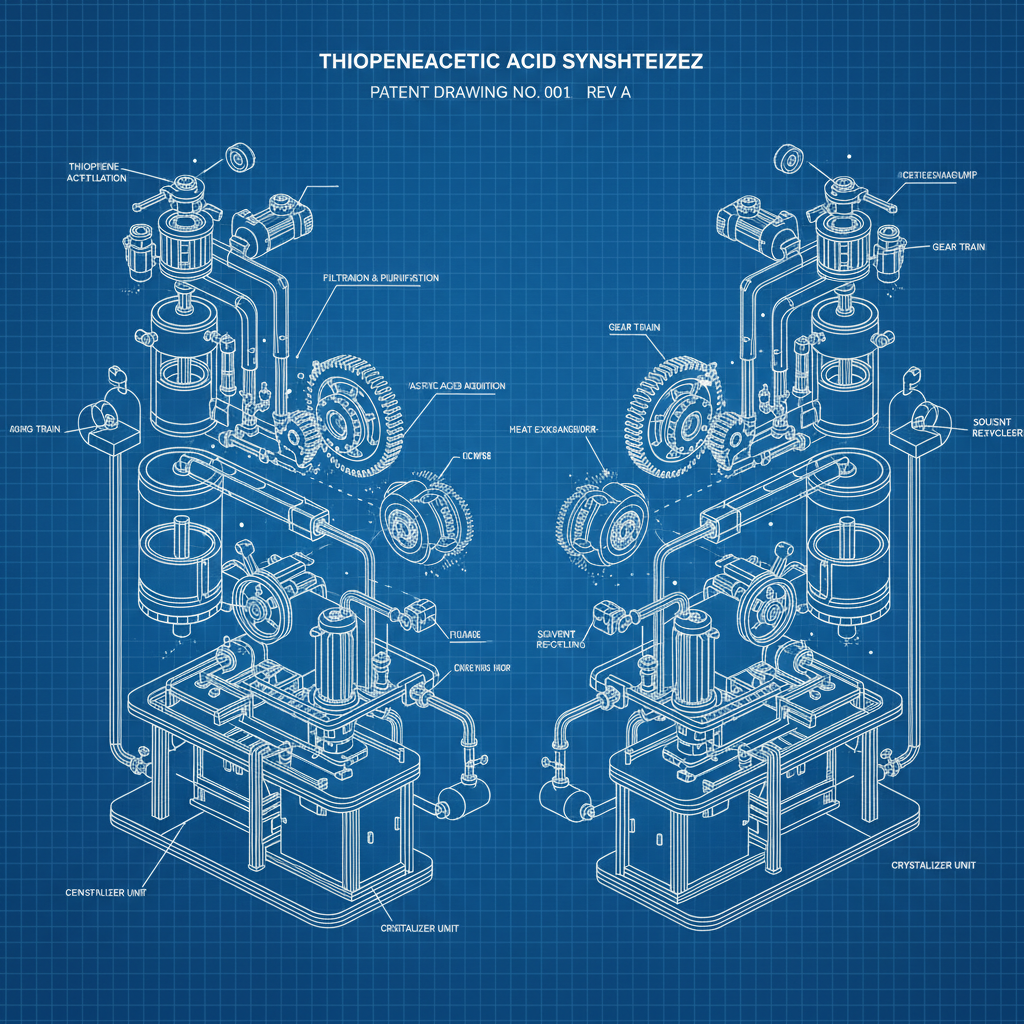
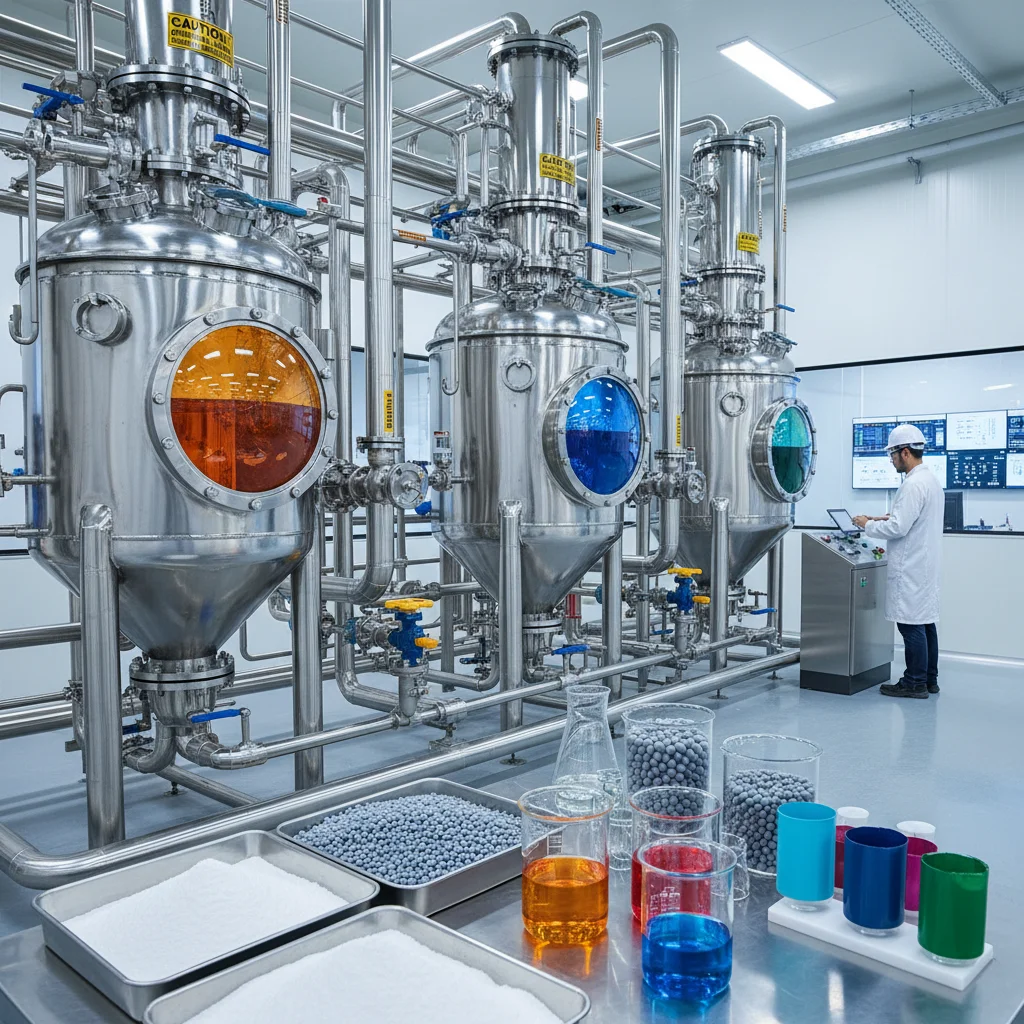
It’s funny. You think you know what people want, then you watch them actually use the product and it’s a whole different story. We’ve got this new line of 2 ThiopheneAcetic Acid manufacturer, and initially, the specs were all about purity and yield. Important, sure. But the guys on the floor? They care about how easy it is to mix, how much dust it kicks up, and, honestly, the smell. It's a weird thing, smell. Some batches just… stink. Not dangerously, just… unpleasant. And that impacts morale. I encountered that problem at a chemical plant in Jiangsu Province last time. They had to open all the windows!
Industry Trends and Design Pitfalls
Strangely, everyone's chasing “smart” materials these days. Self-healing polymers, responsive coatings… it's all very sci-fi. But you know what? Most sites still rely on good old-fashioned steel and concrete. The biggest trend I'm seeing isn’t about new materials, it's about smarter logistics - getting the right material to the right place at the right time. And that requires reliability. It's about finding that sweet spot between innovation and dependability.
A common design pitfall? Over-engineering. People get so caught up in making something perfect they forget about simplicity. More parts mean more potential failure points. It means more training, more maintenance. We’ve seen it time and time again. Anyway, I think the best designs are the ones that just work, without needing a PhD to understand.
Material Deep Dive: What We're Actually Using
So, the 2 ThiopheneAcetic Acid manufacturer itself... it's a fine white powder, usually. The consistency is key. Too coarse and it clumps, too fine and it's a dust hazard. You can smell a slight sulfurous odor – not overpowering, but noticeable. Good stuff is almost silky to the touch. Cheap stuff… feels gritty. We source a lot from India and China, but increasingly from smaller, specialized manufacturers in Europe. They’re more expensive, but the quality control is just… different.
We've been experimenting with different stabilizers to improve shelf life, mainly calcium stearate and magnesium oxide. Adds a little bit of weight, but dramatically reduces degradation. And we’re looking at bio-based alternatives to some of the synthetic polymers. It's a long road, but it's important. The biggest issue isn't performance, it's cost, honestly. Green materials are almost always pricier.
I remember one time, a supplier swapped out a key ingredient without telling us. The product looked the same, but it failed in the field. Massive recall. Cost us a fortune. That’s why I’m so picky about sourcing. You need to know who you’re dealing with.
Real-World Testing: Beyond the Lab
Forget those pristine lab environments. We test 2 ThiopheneAcetic Acid manufacturer in the mud, in the rain, under direct sunlight. We subject it to vibration, impact, temperature extremes. We’ve got a test rig that simulates a year’s worth of weather in a week. It’s brutal.
What’s more important than specs is how it behaves when things go wrong. Does it crack under stress? Does it lose its structural integrity? Does it become brittle in cold weather? Those are the questions we need answers to. We also get feedback from the field – photos, videos, complaints… all valuable data.
We even bury samples in the ground for six months and then dig them up to see how they've held up. Sounds crazy, right? But it tells us a lot about long-term durability. It’s slow and messy, but that's real-world testing.
Usage Patterns: What Users Actually Do
You’d think people would follow the instructions, right? Wrong. They improvise. They adapt. They find shortcuts. We designed the 2 ThiopheneAcetic Acid manufacturer to be mixed with a specific type of solvent, but some guys will just use whatever’s handy. And sometimes, that works! Other times... not so much.
We’ve also seen people use it in ways we never anticipated. Like, a small workshop in Thailand used it as a sealant for bamboo structures. I have no idea why, but it apparently worked really well. That's the beauty of this job. People are inventive.
2 ThiopheneAcetic Acid manufacturer Application Frequency
Advantages and Disadvantages: The Honest Truth
The biggest advantage? Versatility. This stuff can be used in so many different applications. It’s a workhorse. And the price is competitive, especially when you buy in bulk. We’ve spent a lot of time optimizing the manufacturing process to keep costs down.
But it’s not perfect. It’s sensitive to moisture, so you have to store it properly. And the dust can be an irritant, so proper ventilation is essential. Plus, it has a limited shelf life. That's why the stabilizer thing is so important. Honestly, I’ve seen guys just toss bags of it in a corner and forget about it. Then they complain when it doesn’t work. You can't do that!
Customization Options and Real-World Examples
We offer a few different grades of 2 ThiopheneAcetic Acid manufacturer, depending on the application. We can adjust the particle size, the purity level, and the stabilizer package. Last month, a small boss in Shenzhen who makes smart home devices insisted on changing the interface to , and the result was that it took three weeks to get the first batch approved. He said it “looked more modern”. It didn’t improve the performance at all, but he was adamant.
We also do custom packaging. Some customers want small, pre-portioned packets for convenience. Others want 50kg drums for large-scale production. It’s all about meeting their specific needs. We even had one customer who wanted it dyed blue… apparently, it helped with traceability on the production line. It was a weird request, but hey, if it works for them.
Performance Breakdown: A Quick Reference
We track a lot of data, of course. Yield, purity, moisture content, particle size… all the usual suspects. But the most important metric is reliability. How often does it fail in the field? That’s the question we’re always trying to answer.
We also monitor customer feedback closely. Complaints, suggestions, requests… it all goes into the database. It helps us identify areas for improvement and refine our processes. It’s a continuous cycle of learning and optimization.
It’s a constant balancing act. Cost vs. performance, durability vs. weight, innovation vs. practicality. There's no easy answer.
2 ThiopheneAcetic Acid manufacturer Performance Summary
| Performance Parameter |
Standard Grade |
High Purity Grade |
Moisture Resistance Rating (1-10) |
| Purity (%) |
98% |
99.5% |
7 |
| Particle Size (µm) |
20-40 |
10-20 |
8 |
| Yield (%) |
85% |
90% |
6 |
| Stabilizer Content (%) |
1% |
1.5% |
9 |
| Shelf Life (Months) |
12 |
18 |
7 |
| Cost per kg ($) |
50 |
80 |
5 |
FAQS
Keep it in a cool, dry, and dark place, ideally in a sealed container. Moisture and light are its enemies. Nitrogen purging can extend shelf life significantly. We’ve seen issues when stored near strong oxidizers, so keep it separate. A little common sense goes a long way, but proper storage is the key to maintaining product quality, especially for long-term projects.
Always wear gloves, a mask, and eye protection. Avoid inhaling the dust. Ensure adequate ventilation in the work area. While it's not highly toxic, it can be an irritant. Wash thoroughly after handling. And for goodness sake, don't eat or drink near it. Safety data sheets are available online, and it's worth reading them before you start working.
Smaller particle sizes generally mix more easily but can create more dust. Larger particles are easier to handle but may require more vigorous mixing. The optimal particle size depends on the application and the solvent used. We offer different grades to suit various needs. It’s all about finding the right balance between ease of use and performance.
Yes, but it's important to consider the exposure to UV radiation and moisture. Prolonged exposure can lead to degradation. Using a UV stabilizer and a protective coating can significantly improve its durability. We've seen it used successfully in outdoor coatings and adhesives, but proper formulation is crucial.
It depends on the complexity of the order and our current production schedule. Typically, it's around 4-6 weeks for custom packaging and 6-8 weeks for custom formulations. We’ll always try to accommodate urgent requests, but it's best to plan ahead. The biggest bottleneck is usually sourcing the raw materials.
We accept wire transfers, letters of credit, and PayPal. For larger orders, we may require a deposit. Payment terms are typically net 30 days for established customers. We can also discuss customized payment plans depending on the size and scope of the project.
Conclusion
Ultimately, 2 ThiopheneAcetic Acid manufacturer is a versatile material with a wide range of applications. It’s not a silver bullet, and it’s not without its challenges. But when used correctly, it can deliver outstanding performance. The key is to understand its limitations and to choose the right grade for the job.
Whether it works or not, the worker will know the moment he tightens the screw. That’s the truth of it. If it’s easy to work with, if it holds up under stress, and if it doesn’t cause any headaches, then it’s a good product. It’s as simple as that. Visit our website at www.leache-chem.com to learn more and get a quote today.