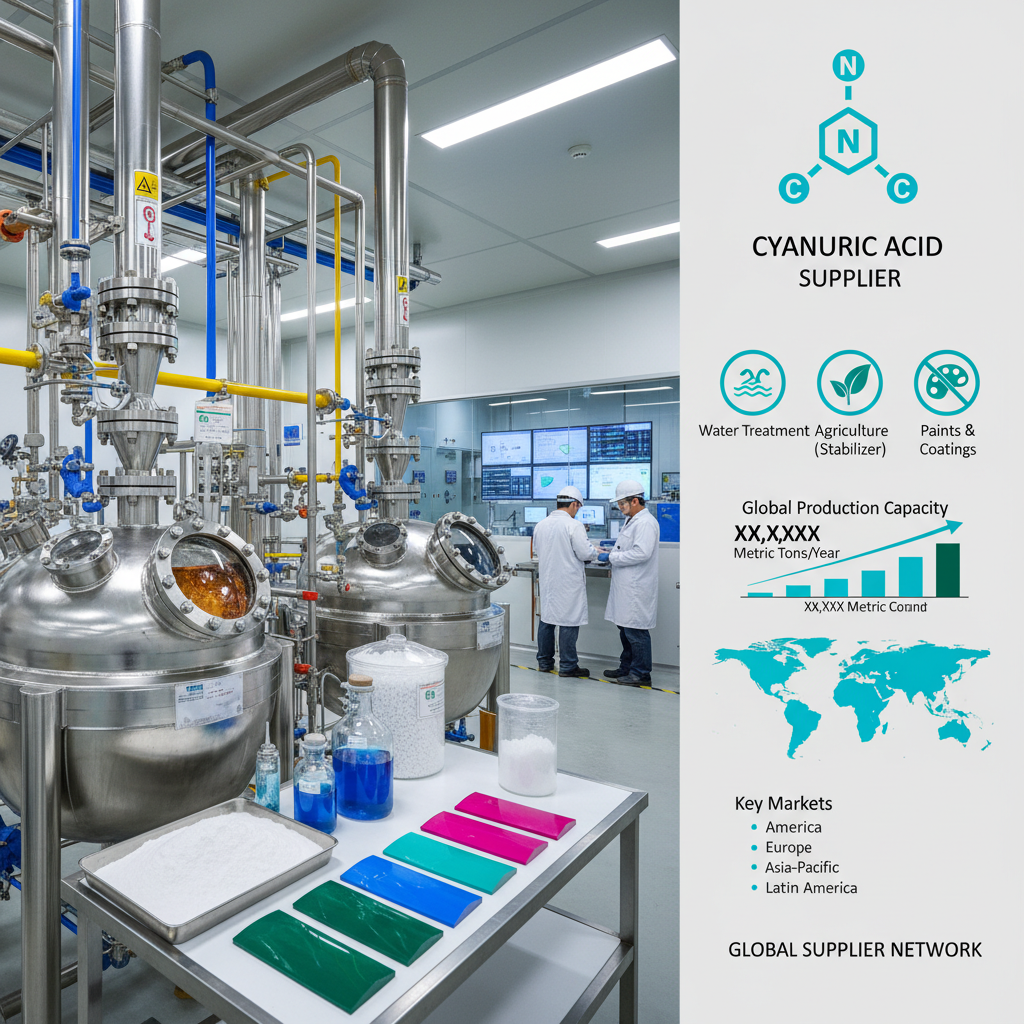
Finding a reliable Cyanuric Acid supplier is critical for industries ranging from large-scale municipal water treatment to specialized pharmaceutical synthesis. As a primary stabilizer for chlorine in swimming pools and a key precursor in the production of disinfectants and resins, Cyanuric Acid ensures that active sanitizers remain effective under harsh UV exposure, preventing rapid degradation and maintaining hygiene standards globally.
The global demand for high-purity chemical stabilizers has surged, driven by an increasing awareness of water safety and the expansion of the leisure and hospitality sectors. For procurement managers and chemists, the choice of a partner goes beyond simple pricing; it involves verifying purity levels, ensuring consistent particle size, and confirming adherence to international safety certifications to prevent contamination in sensitive applications.
Understanding the technical nuances of how a Cyanuric Acid supplier operates—from raw material sourcing to quality control—allows businesses to optimize their supply chains. By bridging the gap between industrial-grade chemical production and end-user application, the right supplier provides not just a product, but a guarantee of stability, safety, and operational efficiency.
Global Market Dynamics of Cyanuric Acid Supply
The global landscape for a Cyanuric Acid supplier is heavily influenced by the volatility of raw material costs and stringent environmental regulations. As the world moves toward more sustainable water management, the demand for stabilizers that can effectively prolong the life of chlorine has seen a steady increase, particularly in the Asia-Pacific and North American regions.
Market trends indicate a shift toward integrated supply chains where the supplier not only provides the raw chemical but also offers technical guidance on dosing and stabilization. This evolution ensures that end-users can minimize waste and maximize the efficacy of their water treatment protocols, aligning industrial growth with environmental stewardship.
Technical Specifications and Purity Standards
When evaluating a Cyanuric Acid supplier, the technical datasheet (TDS) is the primary document for verification. High-grade Cyanuric Acid typically requires a purity level of 98.5% or higher to ensure that no unwanted by-products interfere with the chemical reaction, especially when used as an intermediate in the pharmaceutical industry or for high-end pool chemicals.
Moisture content and particle size distribution are equally critical. Coarse granules may be preferred for slow-release applications, while fine powders are essential for rapid dissolution in industrial mixers. A professional supplier provides comprehensive COA (Certificate of Analysis) reports for every batch to maintain traceability and consistency.
Furthermore, the absence of heavy metal contaminants is a non-negotiable requirement for suppliers serving the pharmaceutical intermediate sector. Strict adherence to ISO standards and REACH compliance ensures that the material can be legally and safely transported across international borders without risking customs delays or safety hazards.
Key Factors in Selecting a Chemical Partner
The first pillar of choosing a Cyanuric Acid supplier is scalability. A partner must be capable of handling both small-scale pilot batches for R&D and bulk shipments for full-scale production without compromising on the lead time or the quality of the chemical synthesis.
Cost efficiency should be balanced with reliability. While low-cost options exist, a premium Cyanuric Acid supplier reduces the "hidden costs" associated with impure materials, such as increased filtration requirements, failed quality checks, or equipment corrosion caused by impurities.
Finally, the level of technical support is a deciding factor. The best suppliers offer educational resources, application guides, and direct access to chemists who can help troubleshoot formulation issues, ensuring that the Cyanuric Acid integrates seamlessly into the client's specific chemical process.
Comparative Efficiency of Supply Methods
Different procurement strategies can significantly impact the operational overhead of a business. When sourcing from a Cyanuric Acid supplier, companies often choose between direct manufacturer sourcing, regional distributors, or just-in-time (JIT) delivery models.
Direct sourcing usually offers the lowest unit price but requires higher logistics management capabilities, whereas distributors provide convenience and faster local delivery at a slight premium. The following chart illustrates the relative performance ratings of these different supply channels.
Supply Channel Performance for Cyanuric Acid Procurement
Industrial Applications and Use Cases
The versatility of the products provided by a Cyanuric Acid supplier extends far beyond simple pool maintenance. In the realm of industrial water treatment, it serves as a critical component in creating stabilized chlorine compounds, which are essential for cooling towers and wastewater treatment plants to prevent bio-fouling and algae growth.
In the pharmaceutical sector, Cyanuric Acid is used as a precursor for the synthesis of various heterocyclic compounds. These intermediates are vital for the creation of specific medications and specialty chemicals, where the purity of the starting material directly influences the yield and safety of the final pharmaceutical product.
Sustainability and Green Chemistry Trends
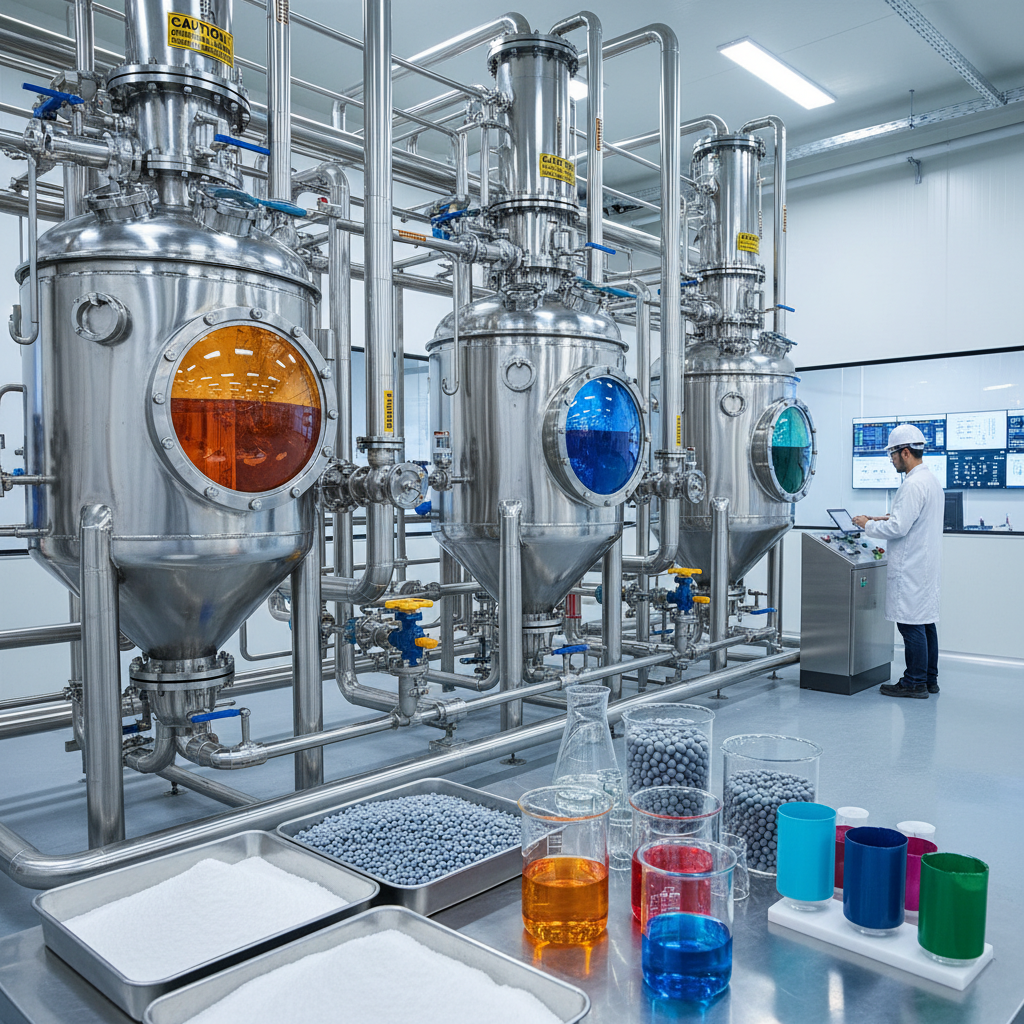
Modern chemistry is shifting toward "green" alternatives, and the Cyanuric Acid supplier industry is no exception. Leading manufacturers are now investing in closed-loop production systems that capture and recycle waste heat and chemical by-products, significantly reducing the carbon footprint of the manufacturing process.
There is also a growing focus on biodegradable packaging and the reduction of hazardous solvents during the purification phase. By adopting these sustainable practices, suppliers not only comply with evolving environmental laws but also provide their clients with "green" credentials that are increasingly required for corporate sustainability reporting.
Moreover, the integration of digital twins and AI-driven process control allows suppliers to optimize raw material usage, ensuring that the synthesis of Cyanuric Acid is as resource-efficient as possible, thereby lowering the overall environmental impact of the chemical's lifecycle.
Risk Management and Quality Logistics
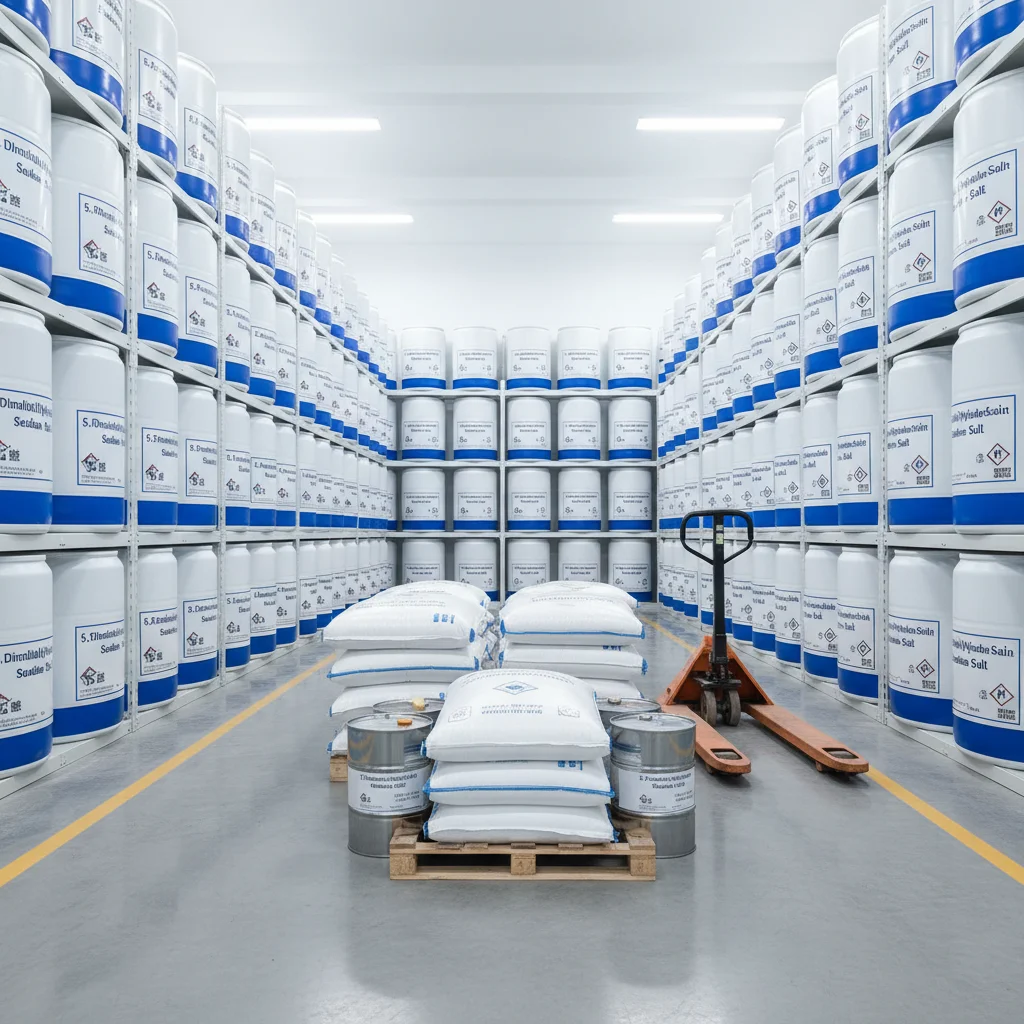
Logistics is a hidden but vital aspect of any Cyanuric Acid supplier relationship. Because chemical products are sensitive to moisture and temperature, the choice of packaging—whether it be moisture-proof bags or vacuum-sealed drums—is essential to prevent clumping and degradation during sea freight.
Risk management also involves diversifying the supply base. Relying on a single source can leave a company vulnerable to geopolitical shifts or natural disasters. Strategic buyers often maintain a primary and a secondary supplier to ensure that their production lines never stop due to a lack of stabilizer materials.
Finally, rigorous auditing of the supplier's warehouse conditions and transportation partners ensures that the product arriving at the factory gate is exactly the same quality as the sample approved in the lab, maintaining a seamless flow from procurement to production.
Comparison of Quality Control Dimensions for Cyanuric Acid Supply
|
Control Metric
|
Standard Grade Impact
|
Pharmaceutical Grade Impact
|
Risk Level
|
| Purity % |
98.0% - 98.5% |
99.5% + |
Medium |
| Moisture Content |
< 0.5% |
< 0.1% |
Low |
| Heavy Metal Residue |
Industrial Limit |
Ultra-low (ppm) |
High |
| Particle Size |
Variable/Granular |
Fine Powder |
Low |
| Packaging Type |
PP Bags |
Vacuum Foil/Drums |
Medium |
| Certification |
ISO 9001 |
GMP/ISO/REACH |
High |
FAQS
You should request a Certificate of Analysis (COA) for every shipment. A reputable supplier will provide results from HPLC or titration tests. For high-stakes pharmaceutical applications, it is recommended to perform independent third-party laboratory testing on random samples from each pallet to ensure the purity matches the provided documentation.
Cyanuric Acid should be stored in a cool, dry, and well-ventilated warehouse. It is critical to keep the material away from strong oxidizers and avoid direct exposure to moisture, which can cause caking and reduce the solubility of the powder, complicating the dosing process in industrial water treatment systems.
Yes, top-tier suppliers typically offer a range of grades. For example, they can provide "Industrial Grade" for pool chemicals and "Pharmaceutical Grade" with higher purity and stricter contaminant controls for use as a chemical intermediate. It is important to specify your end-use during the quoting process to receive the appropriate grade.
A high-quality supplier provides a more consistent product with fewer impurities. This means you use less chemical to achieve the same stabilization effect and reduce the frequency of system flushing or filter replacements. While cheaper alternatives may seem attractive, the long-term cost of operation is often lower with a premium, consistent supplier.
Absolutely. You should ask your supplier about REACH compliance (for EU markets) and their waste management protocols. Understanding how the chemical is synthesized helps you ensure that your own supply chain meets ESG (Environmental, Social, and Governance) goals and adheres to local environmental protection laws.
Lead times vary based on the volume and shipping method. Typically, production takes 1-2 weeks, and sea freight can take 3-6 weeks depending on the destination. To avoid production halts, it is advisable to maintain a safety stock of 4-8 weeks of inventory or work with a supplier who has regional distribution hubs.
Conclusion
Securing a partnership with a professional Cyanuric Acid supplier is a strategic investment that ensures product stability, operational safety, and cost-efficiency. From the rigorous demands of pharmaceutical synthesis to the large-scale requirements of municipal water treatment, the quality of this stabilizer determines the efficacy of the entire sanitization process. By focusing on purity standards, sustainable manufacturing, and robust logistics, businesses can mitigate risks and enhance their competitive edge in the global chemical market.
Looking ahead, the industry will likely see a deeper integration of green chemistry and digital supply chain tracking. We recommend that procurement officers prioritize suppliers who demonstrate transparency in their carbon footprint and offer a diversified range of purity grades to meet evolving regulatory requirements. For those seeking a reliable, high-purity source for their chemical needs, we invite you to explore our professional solutions. Visit our website: www.leache-chem.com