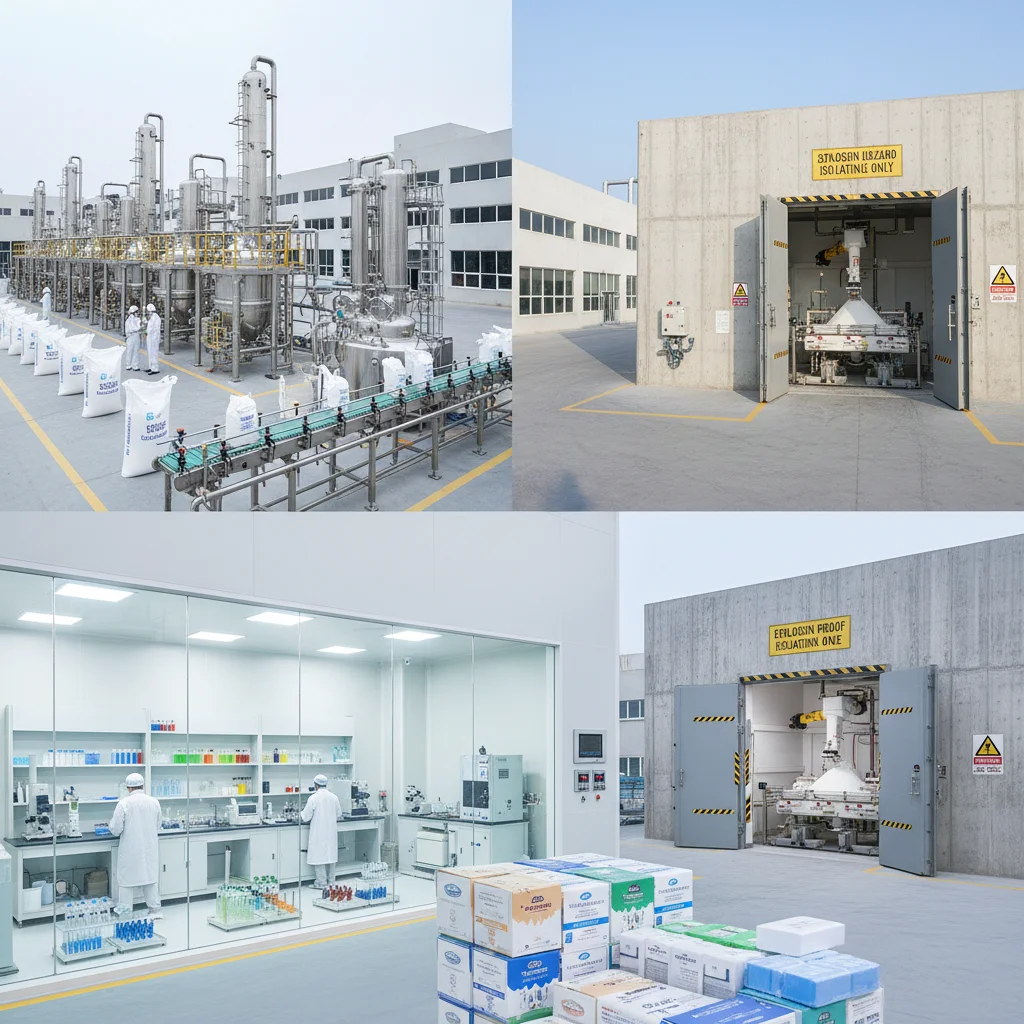
Navigating the complex landscape of chemical sourcing requires a partner who understands both the molecular precision of the product and the logistical intricacies of international trade. A professional Cyanuric Acid exporter serves as more than just a supplier; they are a critical link in the global supply chain for water treatment and pharmaceutical synthesis, ensuring that stabilizers and intermediates reach their destination without compromising purity or potency.
In an era where water scarcity and hygiene standards are reaching critical levels, the role of high-quality chemical stabilizers has never been more paramount. Whether it is maintaining the efficacy of chlorine in swimming pools or serving as a precursor for specialized herbicides and resins, the demand for a reliable Cyanuric Acid exporter is driven by the global need for scalable, safe, and cost-effective chemical solutions.
Understanding the nuances of sourcing from a leading Cyanuric Acid exporter allows industrial buyers to mitigate risks associated with purity fluctuations and regulatory non-compliance. By focusing on E-E-A-T principles—Experience, Expertise, Authoritativeness, and Trustworthiness—businesses can ensure their operations remain sustainable while benefiting from the latest innovations in chemical manufacturing and global logistics.
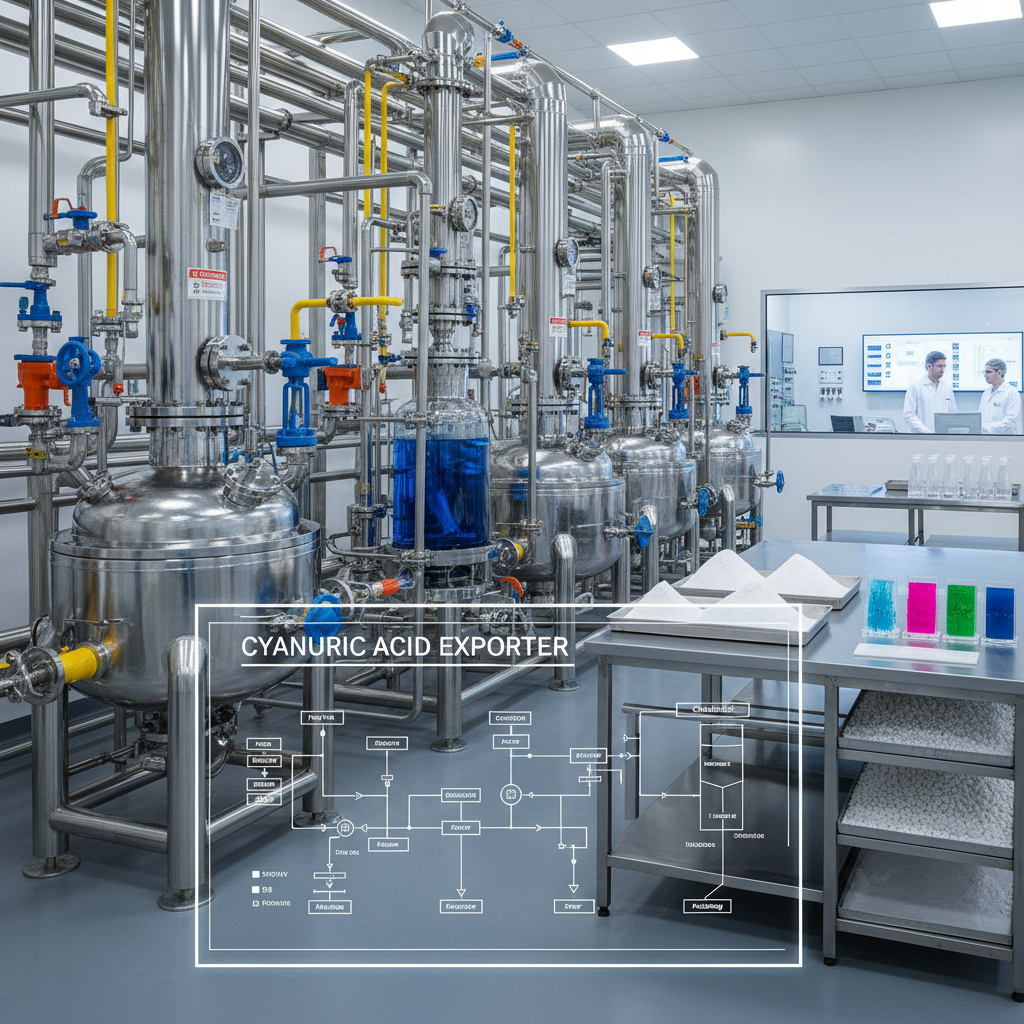
Global Relevance of a Cyanuric Acid exporter
The global chemical market is currently experiencing a shift toward specialized, high-purity intermediates, making the selection of a Cyanuric Acid exporter a strategic decision for many manufacturers. With the rise of urban swimming pool infrastructure and the expansion of the pharmaceutical sector in Asia and Latin America, the movement of these chemicals across borders has become a barometer for industrial growth and public health investment.
According to industrial trade data, the demand for chlorine stabilizers has seen a steady CAGR increase, highlighting the problem of UV-induced chlorine degradation in outdoor water systems. A professional Cyanuric Acid exporter addresses this challenge by providing standardized, high-grade materials that ensure consistent water chemistry, reducing the frequency of chemical dosing and lowering overall operational costs for municipal and private operators.
Defining the Role of a Cyanuric Acid exporter
At its core, a Cyanuric Acid exporter is a specialized entity that manages the production, quality certification, and international distribution of 1,3,5-triazine-2,4,6-triol. While the chemical itself is a simple white powder, the "exporter" role involves a complex layer of regulatory adherence, including REACH compliance for European markets and TSCA standards for the United States, ensuring the product is safe for both industrial and consumer use.
Beyond the logistics, these exporters bridge the gap between raw chemical synthesis and end-user application. By integrating themselves into the supply chains of Fine Chemicals and Pharmaceutical Intermediates, they ensure that the Cyanuric Acid provided is suitable for derivative synthesis, such as the creation of chlorinated isocyanurates, which are vital for disinfection and bleaching processes globally.
In a humanitarian context, the efficiency of a Cyanuric Acid exporter can impact public health. During water crises or in regions with poor water infrastructure, the rapid deployment of stabilization chemicals prevents the rapid loss of disinfectants, thereby securing clean water supplies for thousands of people in remote or disaster-stricken industrial zones.
Core Components of Export Excellence
The reliability of a Cyanuric Acid exporter is measured by several key pillars. First is Chemical Purity; any trace impurity can compromise the synthesis of pharmaceutical intermediates or cause precipitation in pool water. High-grade exporters utilize advanced HPLC (High-Performance Liquid Chromatography) to guarantee a purity level typically exceeding 98.5%.
Scalability and Logistics form the second pillar. A top-tier Cyanuric Acid exporter must be capable of handling both LCL (Less than Container Load) and FCL (Full Container Load) shipments. This flexibility allows small-scale laboratory researchers and massive water treatment plants to access the same quality of material without the burden of prohibitive minimum order quantities.
Finally, Regulatory Transparency and Cost Efficiency complete the framework. By optimizing the synthesis route and leveraging economies of scale, a leading Cyanuric Acid exporter reduces the cost per metric ton while providing comprehensive Safety Data Sheets (SDS) and Certificates of Analysis (COA) that facilitate seamless customs clearance.
Global Applications and Industry Use Cases
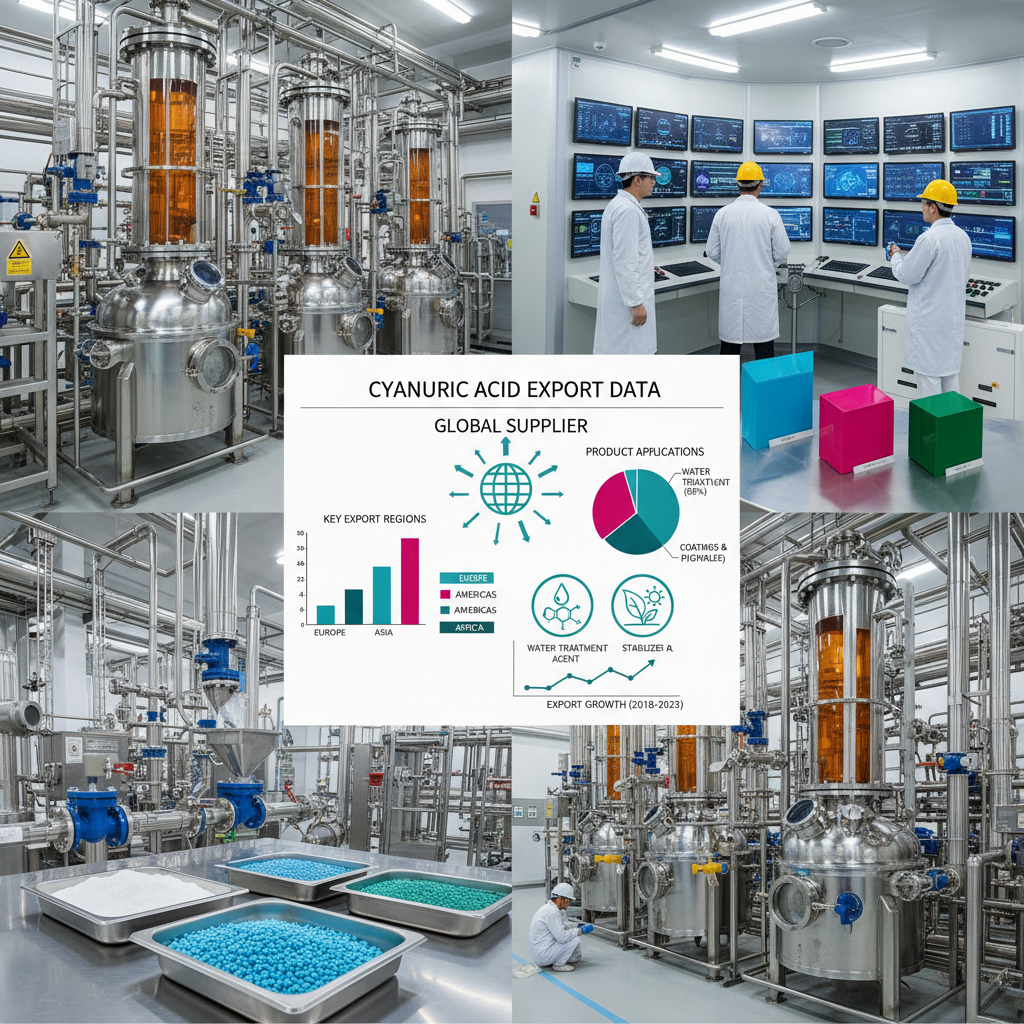
The versatility of the products supplied by a Cyanuric Acid exporter extends across multiple high-impact sectors. In the realm of Pool & Spa Water Treatment, it acts as a "sunscreen" for chlorine, preventing it from being destroyed by ultraviolet rays. Without this stabilization, chlorine levels would plummet during peak summer months, leaving aquatic environments susceptible to algae and bacterial blooms.
In the pharmaceutical industry, the expertise of a Cyanuric Acid exporter is leveraged to provide precursors for the synthesis of specialized medicines. For example, derivatives of cyanuric acid are used in the production of certain diuretics and antiviral agents, where the molecular structure provides the necessary scaffolding for complex chemical reactions.
Export Performance Index by Application
Long-Term Value and Strategic Advantages
Partnering with a reputable Cyanuric Acid exporter provides tangible economic benefits. By securing a stable supply chain, companies can avoid the price volatility often associated with spot-market purchasing. The long-term value lies in the "trust equity" developed through consistent purity and on-time delivery, which reduces the need for redundant quality testing upon receipt of goods.
Beyond the financial aspect, there is a significant safety and reliability angle. High-quality cyanuric acid ensures that water treatment systems operate predictably, eliminating the risk of chemical over-dosing which can lead to skin irritation or respiratory issues for end-users. This commitment to quality reflects a broader dedication to innovation and environmental stewardship, as efficient stabilization reduces the total volume of chemicals released into the environment.
Future Trends in Chemical Exportation
The future of the Cyanuric Acid exporter landscape is being shaped by "Green Chemistry." We are seeing a shift toward synthesis methods that reduce waste and utilize renewable energy sources. Exporters who integrate sustainable manufacturing processes into their workflow will likely dominate the market as global ESG (Environmental, Social, and Governance) regulations become more stringent.
Digital transformation is also playing a key role. The implementation of blockchain for supply chain transparency allows buyers to track the journey of their chemical shipment from the reactor to the warehouse. This "digital passport" for chemicals ensures that the Cyanuric Acid exporter can prove the origin and purity of the material at every transit point, reducing fraud and contamination risks.
Furthermore, automation in packaging and logistics is reducing lead times. AI-driven demand forecasting allows exporters to position stock in strategic regional hubs, ensuring that critical water treatment chemicals are available just-in-time, regardless of geopolitical disruptions or shipping delays.
Overcoming Challenges in Global Sourcing
One of the primary challenges facing any Cyanuric Acid exporter is the variability in international customs regulations. Differences in the classification of "hazardous" vs "non-hazardous" materials can lead to costly delays. The solution lies in the adoption of standardized international packaging (ISO) and the provision of meticulous documentation that exceeds the minimum requirements of the destination country.
Another significant hurdle is the risk of contamination during maritime transport. To overcome this, leading exporters have transitioned to moisture-proof, vacuum-sealed lining within their containers. This ensures that the powder remains free-flowing and chemically stable even when traversing humid equatorial regions during long-haul voyages.
Finally, the challenge of price fluctuation is being addressed through strategic long-term contracting. By offering "fixed-price" agreements for annual volumes, a Cyanuric Acid exporter provides its clients with budgetary certainty, allowing them to focus on their own growth rather than the volatility of the raw materials market.
Analysis of Sourcing Criteria for Cyanuric Acid Exportation
| Evaluation Metric |
Standard Exporter |
Premium Exporter |
Impact on End-User |
| Purity Level |
95% - 97% |
> 99% |
Lower residue in synthesis |
| Lead Time |
30-45 Days |
14-21 Days |
Reduced inventory costs |
| Certification |
Basic COA |
ISO/REACH/FDA |
Faster customs clearance |
| Packaging |
Standard Bags |
Vacuum-Sealed drums |
Zero moisture contamination |
| Price Stability |
Spot Market |
Contractual Fixed |
Predictable OPEX |
| Tech Support |
Email only |
Full Application Guide |
Optimized dosing efficacy |
FAQS
You should prioritize exporters who hold ISO 9001 for quality management and ISO 14001 for environmental standards. For those importing into Europe, REACH registration is mandatory. Additionally, a Certificate of Analysis (COA) for every batch is essential to verify purity and moisture content before the shipment leaves the facility.
Low-purity products from an unreliable Cyanuric Acid exporter may contain impurities that cause cloudiness in the water or react poorly with other chemicals. High-purity acid ensures that the stabilizer binds effectively with chlorine, preventing UV degradation without adding unwanted minerals to the water chemistry.
Yes, many professional exporters offer different forms, such as fine powder or granular crystals. Granular forms are often preferred for automatic feeders to prevent clumping and ensure a steady dissolution rate. It is recommended to specify your application requirements during the inquiry phase to receive the optimal physical form.
The primary risks include moisture absorption and contamination. Because Cyanuric Acid is a white powder, any leak in the packaging can lead to clumping. A quality Cyanuric Acid exporter uses double-layered PE bags and moisture-proof liners to ensure the product arrives in a free-flowing state.
Request a sample for independent lab testing and ask for references from existing clients in your region. Furthermore, check if they provide transparent logistics tracking and comprehensive SDS documentation. A trustworthy exporter will be open about their production capacity and quality control protocols.
Pure Cyanuric Acid is generally classified as non-hazardous for transport under IMDG and IATA regulations. However, it is crucial to confirm this with your Cyanuric Acid exporter as local laws may vary, and the documentation must be accurate to avoid delays during customs inspection.
Conclusion
Selecting the right Cyanuric Acid exporter is a pivotal decision that influences everything from the purity of pharmaceutical intermediates to the safety of community swimming pools. By focusing on high purity, regulatory compliance, and logistical robustness, businesses can secure a supply chain that is not only cost-effective but also sustainable and reliable in the face of global market volatility.
As the industry moves toward greener chemistry and digital transparency, the partnership between manufacturers and exporters will evolve into a more integrated, data-driven relationship. We encourage industrial buyers to prioritize partners who invest in sustainable synthesis and transparent reporting to ensure long-term operational excellence. For premium sourcing solutions, visit our website: www.leache-chem.com